26 Jul 2026
Virtual Simulations in Greyhound Events: Platform Payout Mechanics Linked to Card Table Retention Systems
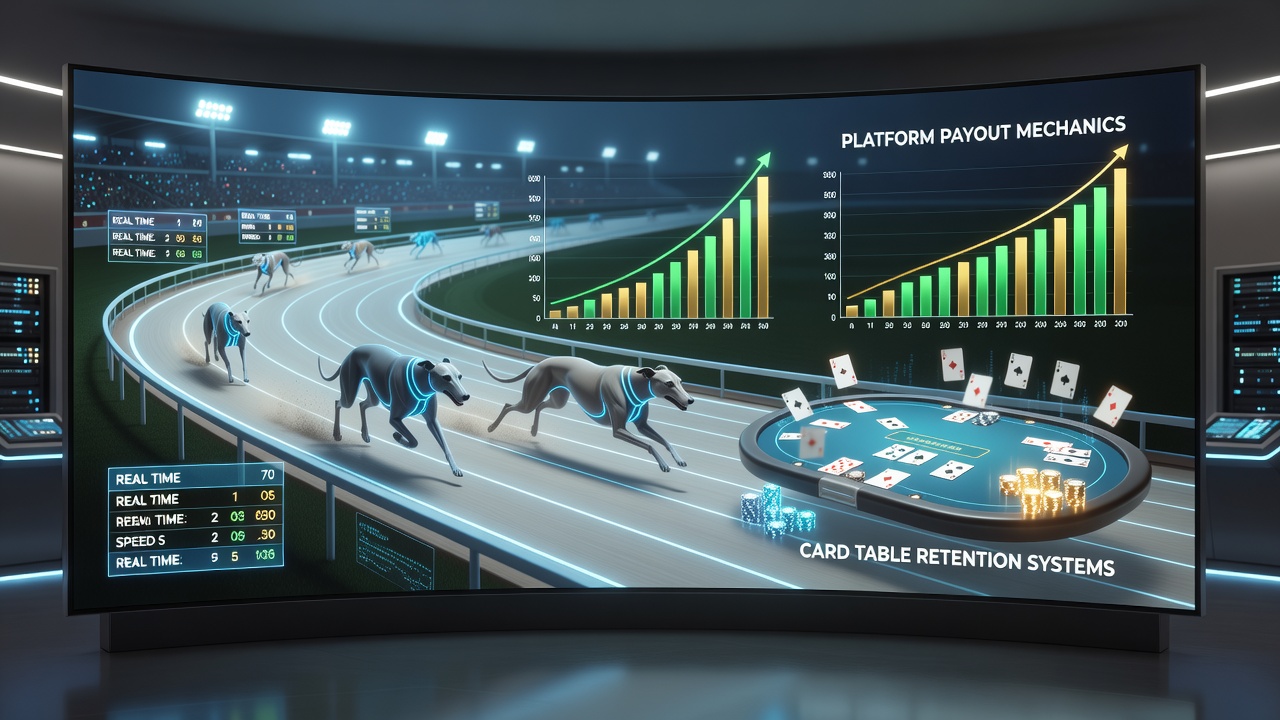
Virtual simulations of greyhound events have expanded across multiple betting platforms since the early 2020s, and operators now combine these digital races with card table systems to maintain player activity over longer sessions. These integrations rely on algorithmic payout structures that adjust in real time based on wagering volume, while retention tools pull data from both virtual tracks and physical or digital card tables to encourage continued play.
Core Components of Virtual Greyhound Simulations
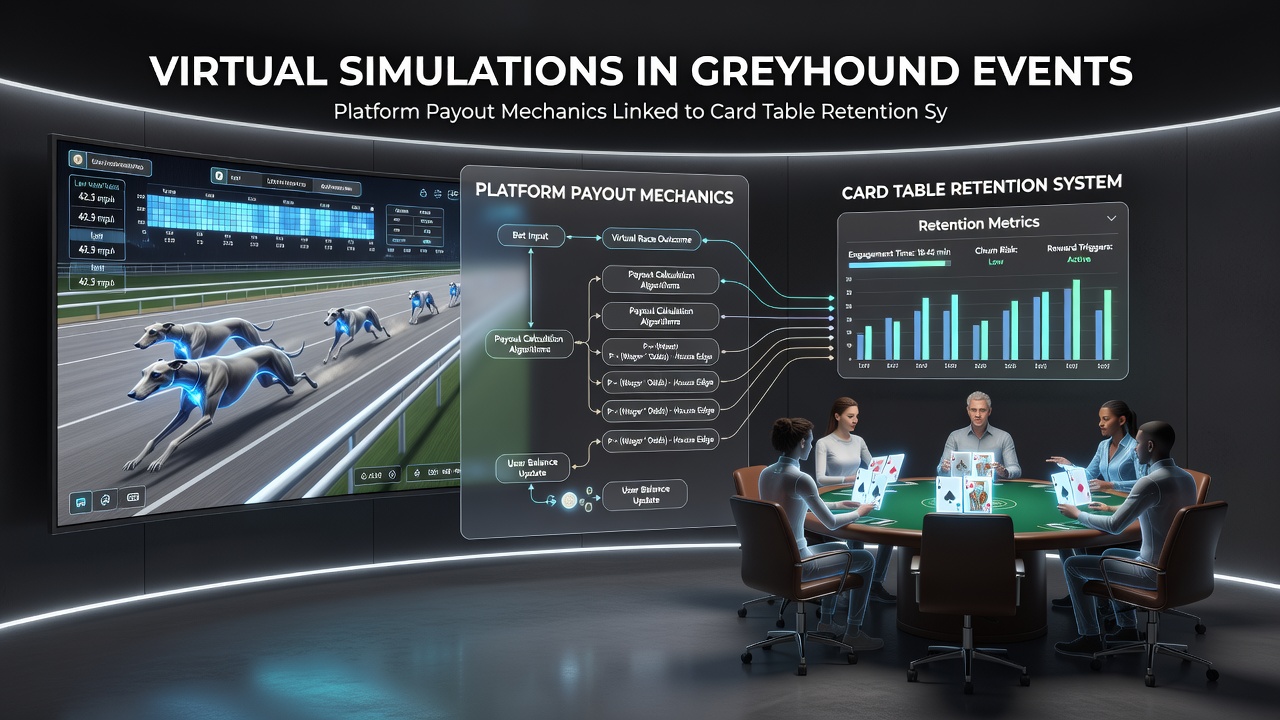
Platforms generate races using random number generators certified under standards set by regional regulators, and each simulation incorporates variables such as track conditions, greyhound speeds, and starting positions that mirror historical performance data. Payout mechanics operate through fixed odds displayed before each race, with returns calculated instantly once the simulated result posts, and these systems update odds dynamically when total stakes on particular outcomes reach preset thresholds.
Observers note that the linkage to card table retention systems occurs through shared player accounts where activity on virtual greyhound events triggers bonus credits redeemable at blackjack or poker tables, and the reverse also holds when card game winnings convert into virtual race stakes. This cross-platform flow keeps the same users engaged across different game types without requiring separate logins or wallet transfers.
Payout Algorithms and Their Connection to Retention Tools
Engineers design payout algorithms to maintain house edge percentages between 2 and 5 percent across virtual greyhound events, yet they also embed retention parameters that increase minor win frequencies during periods of low card table traffic. Data compiled in July 2026 from North American casino networks shows that platforms adjust these parameters when card table occupancy drops below 60 percent, directing more virtual race bonuses toward active card players to pull them back into table sessions.
Retention systems monitor session length and bet size across both environments, then apply loyalty multipliers when users alternate between virtual greyhound wagers and card games within a single hour. Such mechanics rely on backend software that tracks every transaction, allowing operators to identify patterns where extended virtual race participation precedes card table drop-offs, and they respond by surfacing targeted free race entries or table chip offers.
Regulatory Oversight and Technical Standards
Regulators in multiple jurisdictions require independent testing of random number generators used in virtual greyhound simulations, and these audits extend to the payout linkage modules that feed data into card table systems. Reports issued by the New Jersey Division of Gaming Enforcement detail how platforms must document every instance where virtual event outcomes influence card table bonus eligibility, ensuring transparency in the combined retention strategy.
According to findings published by the Australian Gaming Council, operators in licensed venues must separate virtual greyhound payout pools from card game reserves, even though player-facing interfaces present unified loyalty balances. This separation prevents commingling of funds while still permitting seamless redemption across both product lines, and it aligns with broader industry efforts to standardize cross-game retention protocols.
Player Behavior Patterns Observed in July 2026
Analytics gathered during July 2026 reveal that users who engage with virtual greyhound events for more than 25 minutes show a 34 percent higher likelihood of returning to card tables within the same session when retention offers appear immediately after the final race. Platforms achieve this timing through automated triggers that analyze completed wagers and then push card-specific incentives before the user logs out.
Those who study these systems point out that the mechanics also reduce churn by displaying card table wait times alongside virtual race results, allowing players to plan transitions between the two environments without losing momentum. The result appears in aggregated session data where average play duration rises when such paired features remain active.
Future Integration Trends
Developers continue to refine the connection between virtual greyhound payout engines and card table retention modules by incorporating machine learning models that predict optimal bonus timing for individual accounts. These models draw on historical patterns from both game types, and early deployments in European markets indicate measurable lifts in table occupancy when virtual race bonuses align with predicted card game lulls.
Industry reports emphasize that any expansion of these linked systems will still require ongoing certification to preserve the integrity of payout calculations while supporting retention goals across platforms.
Conclusion
Virtual simulations in greyhound events now function as integral components within broader retention frameworks that also encompass card table operations. Payout mechanics provide the computational backbone for these integrations, and regulatory standards ensure that the combined systems remain transparent and auditable. Continued technical refinement, supported by data from July 2026 and beyond, will determine how operators balance immediate race outcomes with longer-term player engagement across both virtual and table-based products.