27 May 2026
UK Bookmakers' Cashback Cycles Tied to Player Indexes in Domestic Cricket Markets
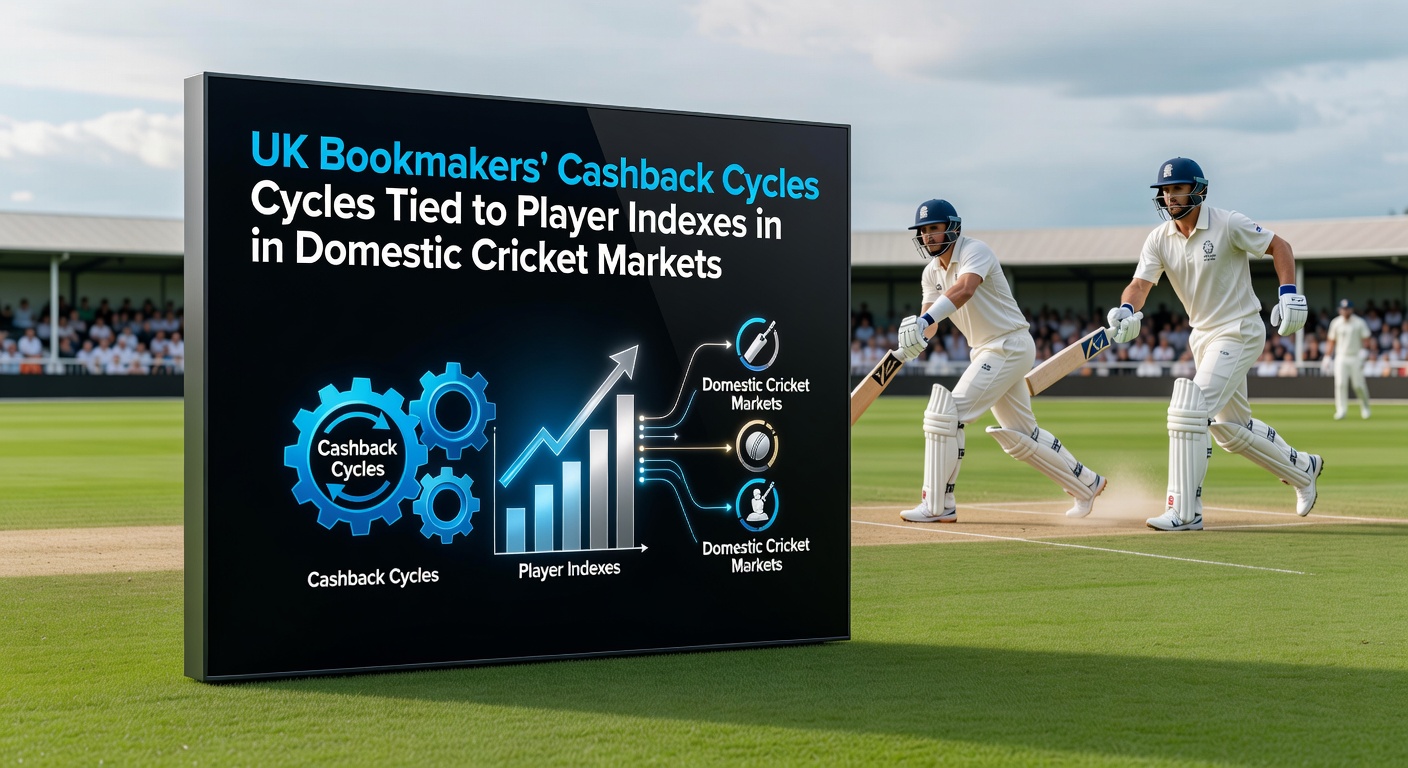
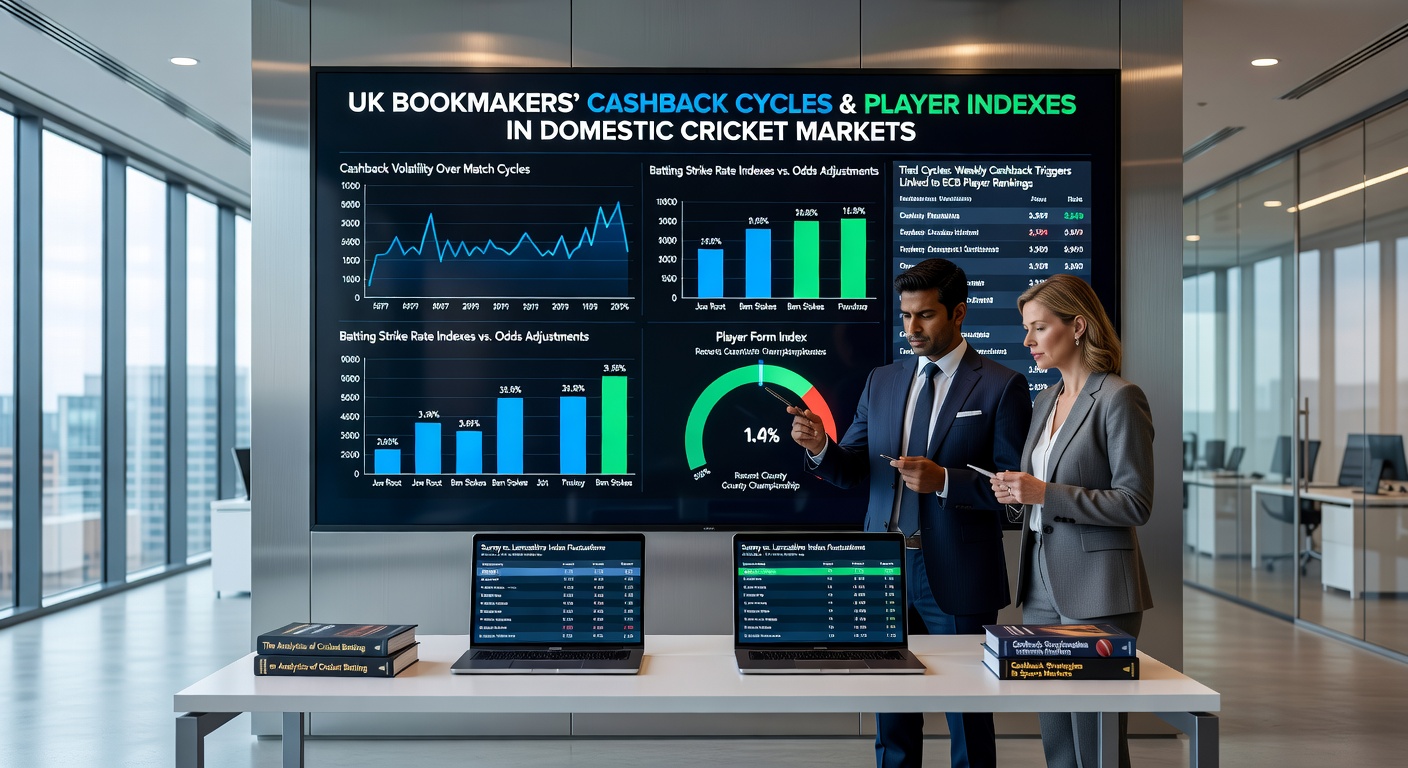
UK bookmakers have developed cashback programs that connect directly to player performance indexes in domestic cricket competitions, creating structured reward cycles based on statistical thresholds. These indexes compile metrics such as batting strike rates, bowling economy figures, and match contributions from events including the County Championship and Vitality Blast. Data from the 2025-2026 seasons shows operators adjusting cashback percentages according to index movements rather than fixed promotional calendars.
Player indexes serve as the calculation base for determining eligibility and payout amounts in these cycles. Bookmakers track individual athlete outputs through proprietary algorithms that aggregate official scoring data, then map results against cashback tiers. A batter achieving an index score above 75 in a four-day match might trigger a 5 percent return on qualifying stakes, while bowlers crossing similar benchmarks receive scaled rewards tied to the same cycle period.
Mechanics of Index-Based Cashback Programs
Operators calculate cashback through weekly or monthly cycles that reset according to domestic fixture schedules. The system pulls real-time statistics from match officials and feeds them into automated platforms, which then issue credits to player accounts when index targets are met. This approach replaces traditional volume-based promotions with performance-linked incentives that respond to on-field results across multiple games.
Research from the Australian Institute of Criminology indicates that performance-indexed rewards appear in several regulated markets outside the UK, where similar statistical models track athlete outputs in team sports. Those findings highlight how index systems allow operators to align promotions with measurable events rather than blanket deposit matches.
Domestic Cricket Markets and Index Application
Domestic competitions supply consistent data streams for these cashback structures because they feature extended schedules and detailed scoring records. The County Championship provides four-day matches that generate comprehensive index points across batting, bowling, and fielding categories, while shorter T20 formats contribute high-frequency updates suited to rapid cycle adjustments. Bookmakers synchronize their cashback windows with these fixture lists to maintain alignment between index fluctuations and reward distributions.
One operator introduced a cycle in early May 2026 that awarded cashback based on cumulative index points earned by selected county players over a three-week period. Participants who accumulated 150 or more points received returns scaled to their total stake volume, with the highest tier delivering 8 percent cashback on eligible bets. The program reset after the Blast group stage concluded, allowing fresh index tracking to begin with the next block of fixtures.
Integration with Betting Markets and Regulatory Context
Index-tied cashback operates alongside standard cricket markets such as match winner, player of the match, and over/under totals. Bettors place wagers on these outcomes while the same index data determines separate reward eligibility, creating dual engagement pathways. The separation ensures that cashback calculations remain independent of individual bet results yet still draw from the same underlying performance statistics.
A report published by the Canadian Centre on Substance Use and Addiction examined how performance-based incentives function across international sports betting environments, noting their reliance on transparent statistical sources. The analysis covered data protocols that support verifiable index construction and their application in markets where cricket holds significant betting interest.
Seasonal Patterns and Cycle Adjustments
Cashback cycles in domestic cricket adapt to seasonal shifts in match frequency and format. During periods of overlapping competitions, operators shorten cycle lengths to capture index movements across both multi-day and limited-overs games. In May 2026, several platforms introduced mid-month resets that aligned with the transition from Championship rounds to Blast fixtures, allowing participants to track separate index pools within a single month.
Index thresholds receive periodic recalibration based on historical averages for each competition. A bowler’s economy rating that qualifies for cashback in Championship matches may carry a different weighting during T20 encounters, reflecting format-specific norms. These adjustments maintain consistency in reward distribution while accounting for the statistical variance between competition types.
Conclusion
UK bookmakers continue to refine cashback systems that anchor rewards to player indexes within domestic cricket. The approach links statistical outputs from county competitions directly to cycle-based returns, using data streams from established scoring systems. Seasonal adjustments and format-specific weightings allow these programs to track ongoing matches while providing participants with defined reward pathways tied to measurable performance benchmarks.