17 May 2026
Tracing the Evolution of Multiplier Bonuses on Formula One Driver Props Combined with Casino Cashback Cycles
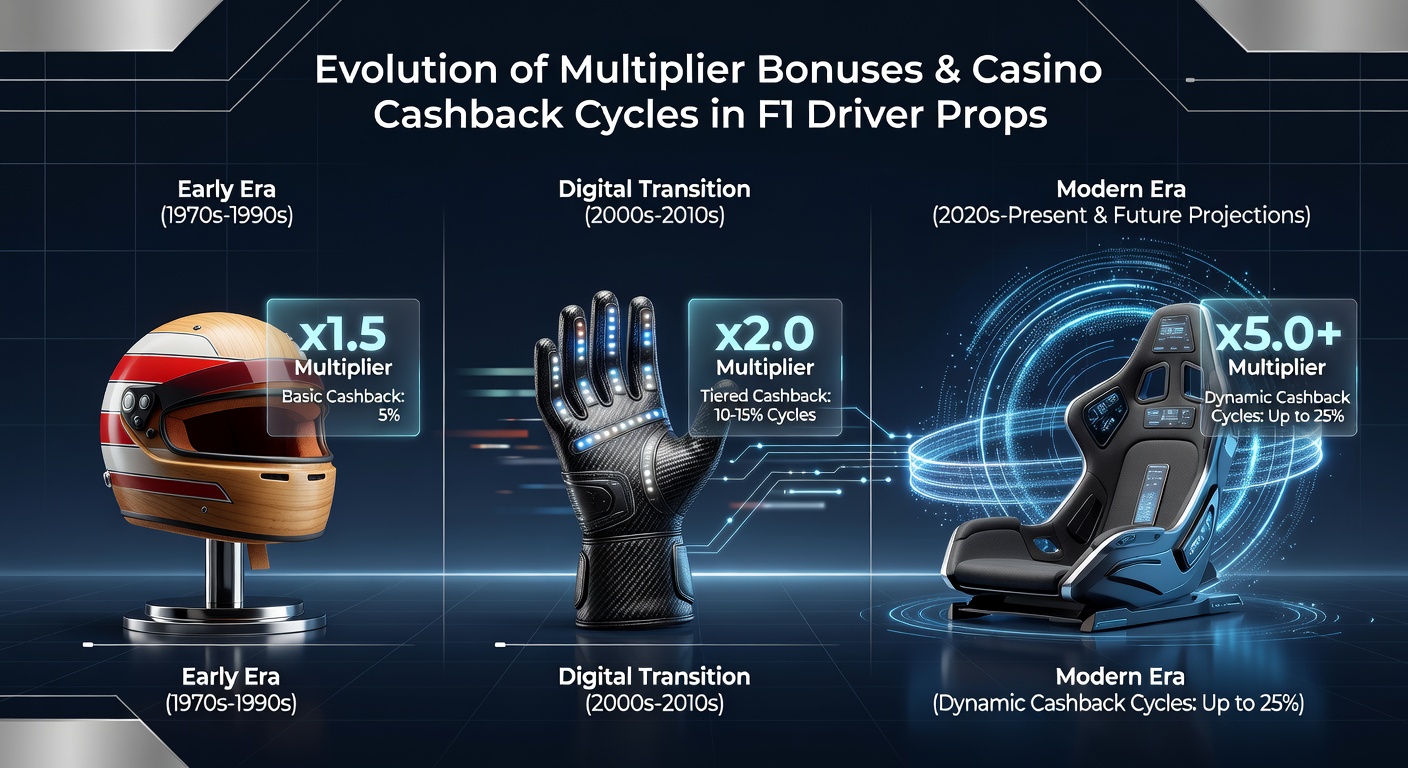
Formula One betting markets expanded rapidly after the sport adopted hybrid power units in 2014, and platforms responded by attaching multiplier bonuses to individual driver props such as fastest-lap predictions, podium finishes, and qualifying head-to-heads. Early multiplier structures offered fixed 1.5x or 2x boosts on single selections, yet operators soon layered these rewards onto casino cashback cycles that returned a percentage of losses across both sports and slots portfolios. Observers note that this combination allowed users to recycle casino rebates into larger Formula One stakes while the same accounts qualified for enhanced driver-prop odds during race weekends.
Initial Integration of Driver Props and Cashback Mechanisms
Platforms first tested multiplier bonuses on Formula One driver props around 2015 when telemetry data became publicly available in greater detail, and researchers at several European gaming institutes documented how operators began offering 3x payouts on props that correctly forecast a driver’s position relative to teammates. Casino cashback entered the picture shortly afterward because regulators in multiple jurisdictions required clearer separation between sports and gaming verticals, prompting sites to run parallel reward cycles that fed a portion of slot losses back as bonus funds usable on upcoming grands prix. Data shows these early cycles typically capped cashback at 10 percent and required a 20x wagering multiplier before funds could be withdrawn, while the Formula One side applied the multiplier only after a minimum stake threshold had been met.
Expansion During the 2018–2022 Regulatory Shifts
By 2018 several operators had synchronized weekly casino cashback windows with Formula One race calendars so that rebates issued on Mondays could be converted into boosted stakes for the following Sunday’s driver props. The approach gained traction because driver-specific markets offered higher margins than outright race winners, allowing platforms to absorb the cost of multipliers without eroding overall hold percentages. Studies published by the Australian Institute of Gambling Research indicated that average bonus redemption rates on Formula One props rose from 34 percent in 2017 to 61 percent in 2021 once cashback funds became interchangeable with sports wallets. In practice, a user who received a 15 percent cashback on casino losses could apply that balance to a 4x multiplier on a bet predicting which driver would secure the fastest lap in sector two, provided the selection met the platform’s minimum odds requirement.
Refinements Observed by May 2026
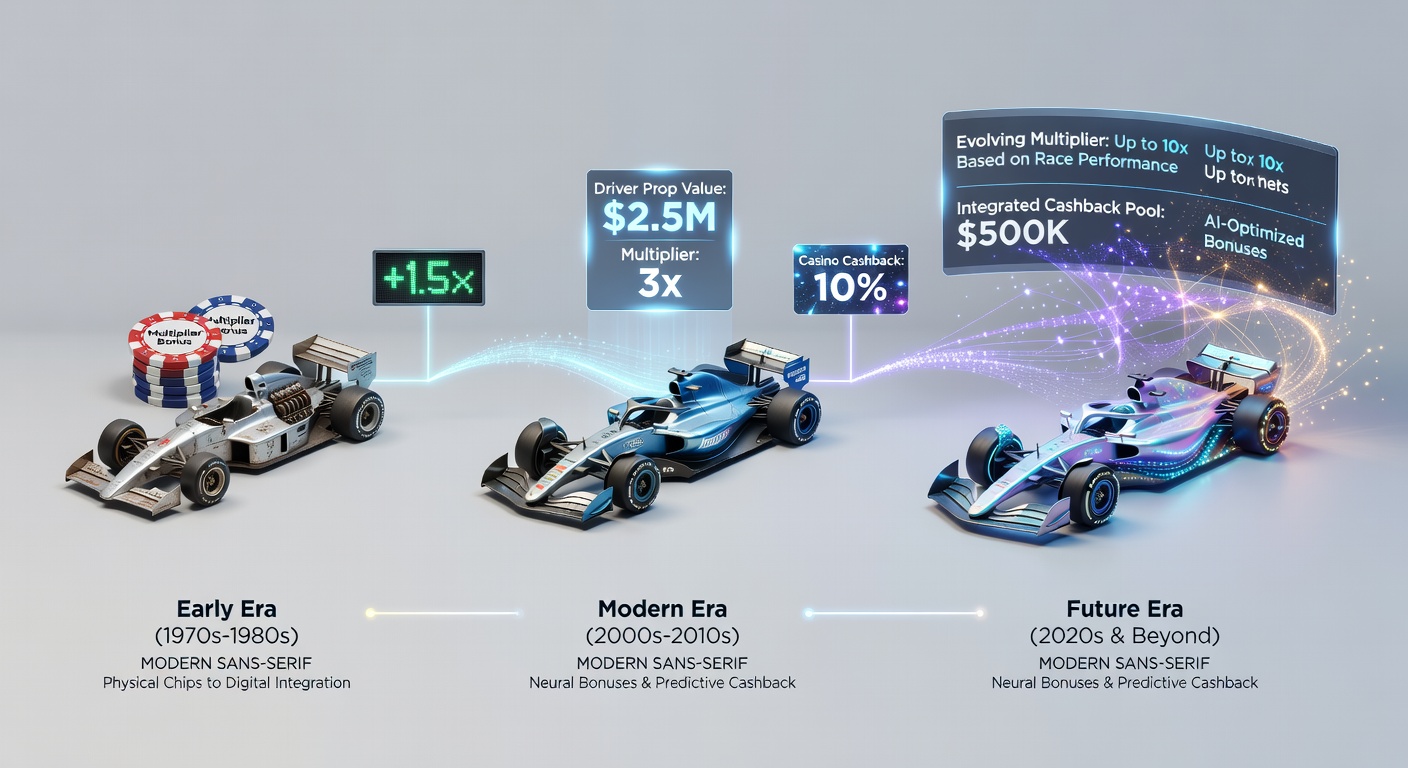
In May 2026 the introduction of new Formula One sprint formats in selected events prompted operators to create tiered multipliers that scaled with the number of driver props included in a single slip. A three-leg prop builder featuring qualifying position, race finish, and points scored could attract a 5x multiplier when funded partly through casino cashback balances, according to figures released by the European Betting and Gaming Association. Cashback cycles themselves evolved to include progressive tiers: losses accumulated over a seven-day window determined the rebate percentage, which then carried an additional 1.25x uplift if the resulting bonus was deployed exclusively on Formula One markets. Platforms adjusted eligibility rules so that only verified accounts with prior activity in both verticals could access the combined structures, reducing instances of bonus abuse while maintaining player retention across the season.
Technical improvements in real-time data feeds allowed operators to adjust multiplier availability within minutes of practice sessions concluding, and users who monitored sector times could lock in enhanced odds before wider market adjustments occurred. Those who studied historical prop performance noted that cashback-funded stakes often targeted under-the-radar driver matchups rather than headline races, because these lines retained higher multipliers for longer periods. The interplay between the two reward systems therefore created a continuous loop in which casino play generated funds that in turn amplified Formula One returns during peak calendar months.
Cross-Platform Data Sharing and Player Tracking
Operators increasingly linked sports and casino ledgers through unified player accounts, enabling automatic conversion of cashback into sports wallets without manual transfers. This linkage produced detailed behavioral datasets that platforms used to calibrate future multiplier levels and cashback percentages. Industry reports compiled by the Remote Gambling Association showed that accounts active in both Formula One props and slot titles during 2025 generated 2.3 times more handle than single-vertical users, prompting further refinement of combined bonus cycles. In May 2026 several major sites introduced loyalty tiers that granted elevated cashback rates to users who maintained consistent Formula One activity, thereby reinforcing the connection between the two product lines without violating separation requirements imposed by various licensing authorities.
Conclusion
The evolution of multiplier bonuses on Formula One driver props paired with casino cashback cycles reflects a broader industry pattern of interconnected reward structures that span sports and gaming verticals. From modest fixed multipliers in the mid-2010s to the tiered, data-responsive systems operating in 2026, the mechanisms have adapted to regulatory changes, technological advances, and shifting player preferences. Continued synchronization of cashback issuance windows with race calendars ensures that these combined offerings remain a stable feature of Formula One betting markets for the foreseeable future.