24 Jul 2026
Tracing Bonus Pathways from Initial Deposits to Sustained Virtual Sports Engagements
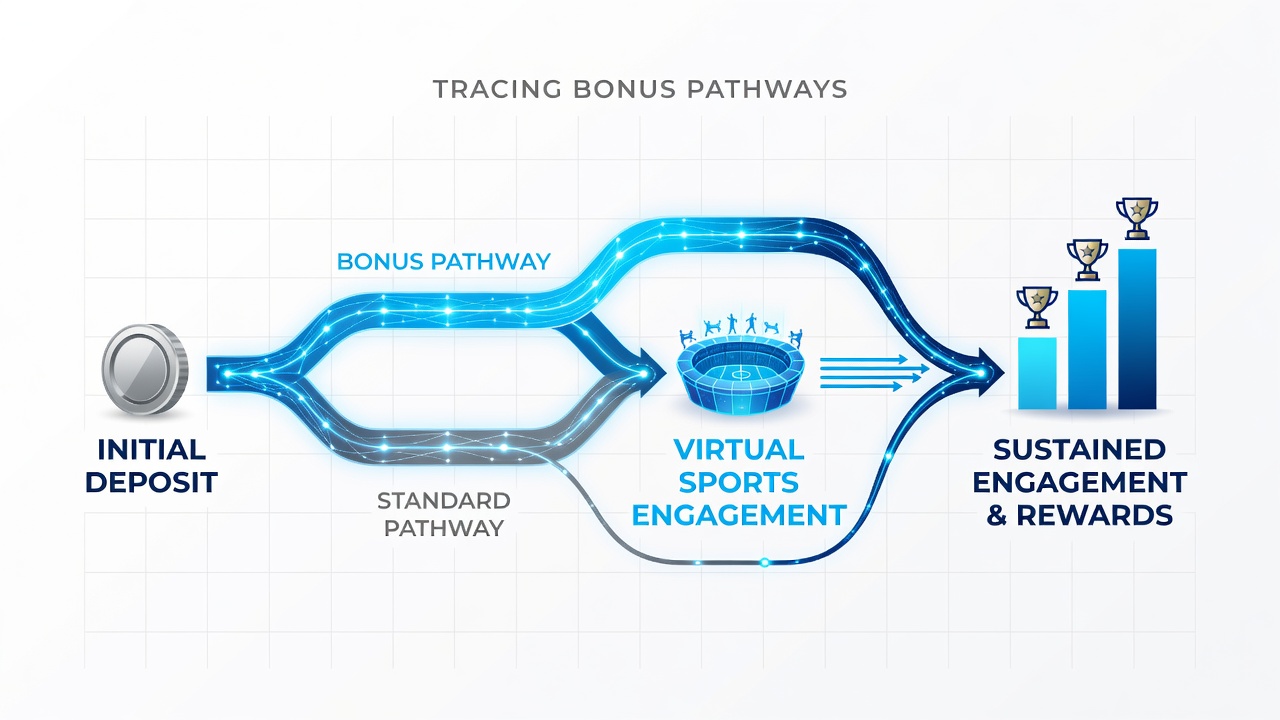
Initial deposits at licensed betting operators activate structured bonus mechanisms that operators design to guide users toward virtual sports platforms, where simulated events run continuously without seasonal interruptions. These pathways begin when a player funds an account, triggering welcome offers that often include matched deposits or free bet credits allocated specifically for virtual football, tennis, or greyhound racing simulations. Observers note that operators track these credits through dedicated wagering requirements, ensuring the funds cycle into virtual sports markets rather than traditional live events.
Deposit Triggers and Bonus Activation
Operators process deposits through secure payment gateways that automatically flag eligible accounts for bonus allocation, and this process typically completes within minutes of the transaction clearing. Data from industry reports indicate that virtual sports sections receive targeted bonus assignments because these markets operate around the clock, allowing players to meet rollover conditions without waiting for real-world fixtures. Research indicates that platforms segment bonus types by sport category, with virtual offerings carrying distinct multipliers that encourage repeated engagement once the initial credit activates.
Players who complete the first deposit often receive credits that carry specific terms, such as minimum odds thresholds or game-type restrictions that steer activity toward virtual simulations. These restrictions function as routing tools because virtual events generate results in minutes rather than hours, accelerating the path from deposit to qualified wager. Studies from academic institutions show that such routing increases session frequency, particularly when operators align bonus expiry windows with virtual sports schedules that run every few minutes throughout the day.
Transition from Welcome Credits to Virtual Markets
Once activated, welcome credits move into virtual sports interfaces where users select from simulated leagues that mirror real competitions yet deliver outcomes generated by certified random number generators. This transition occurs seamlessly because operators embed virtual sports tabs directly within the main betting lobby, reducing friction between deposit confirmation and first wager. Figures reveal that a substantial portion of bonus funds reach virtual sports within the initial 24 hours after deposit, driven by the constant availability of events and the absence of scheduling delays common in live sports betting.
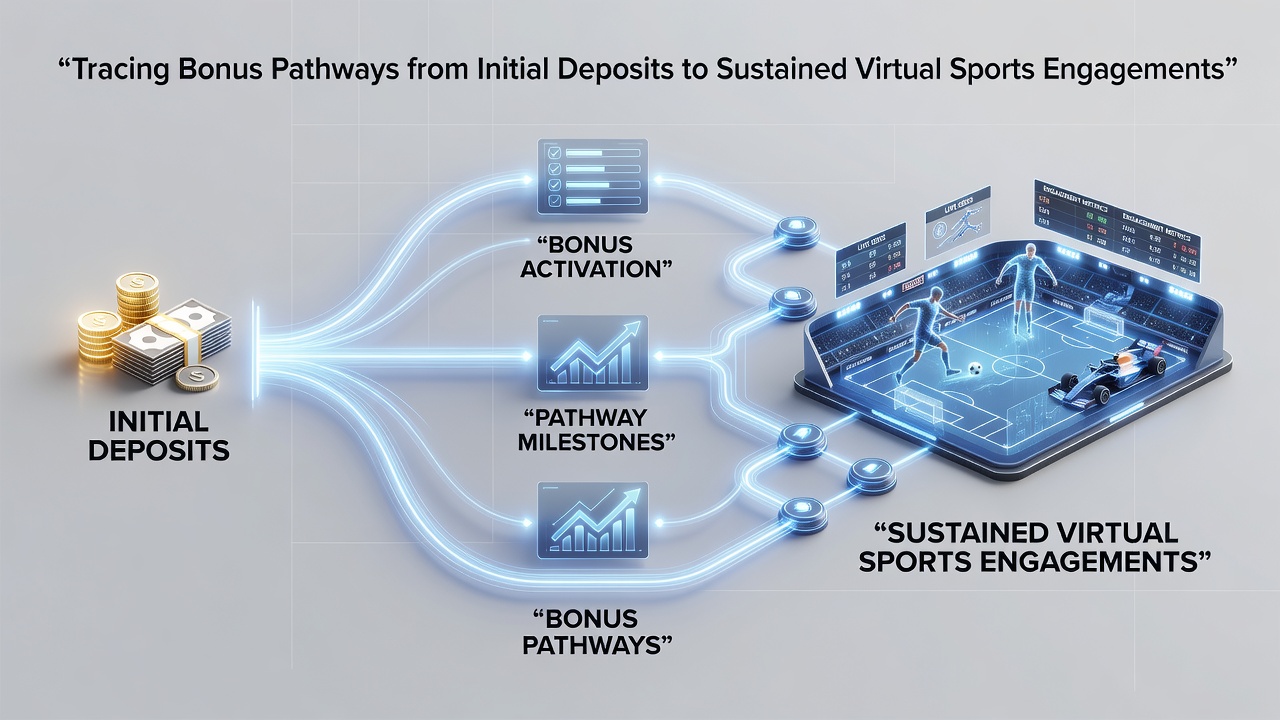
Virtual sports engagements sustain momentum because operators layer additional promotions onto ongoing play, converting one-time welcome offers into recurring reload structures. These reloads activate after players meet initial wagering targets, and they often include percentage matches on subsequent deposits that players can direct back into the same virtual categories. According to findings published by the Australian Institute of Family Studies, continuous event cycles in virtual sports help maintain engagement levels by allowing users to complete multiple betting rounds within single sessions.
Loyalty Mechanisms and Retention Loops
Loyalty programs extend these pathways by awarding points for every virtual sports wager, which players later redeem for further credits or enhanced odds on selected simulations. Points accumulation accelerates when operators apply tiered multipliers during promotional windows, such as those introduced across several platforms in July 2026 that focused on virtual horse racing circuits. This structure creates retention loops because accumulated rewards feed back into the same ecosystem, encouraging players to maintain activity rather than migrate to competing sites.
Operators monitor progression through player accounts that log deposit history, bonus usage, and virtual sports participation rates, generating data sets that inform future offer tailoring. These systems identify patterns where initial deposit bonuses evolve into sustained virtual sports volume, prompting automated delivery of targeted reloads or cashback on virtual losses. Evidence from research conducted by the National Council on Problem Gambling highlights how structured reward cycles influence session duration across digital betting environments.
Extended Engagement Patterns
Sustained virtual sports engagement emerges when players move beyond welcome and reload stages into long-term loyalty tiers that offer personalized incentives based on historical virtual wagering behavior. These tiers often unlock enhanced virtual sports features, such as exclusive simulated tournaments or boosted payouts on specific event types, maintaining interest across extended periods. Data shows that operators refresh these incentives periodically to align with platform updates, ensuring the bonus pathway remains active rather than terminating after initial use.
Cross-category linkages further strengthen the chain when virtual sports bonuses connect to broader casino or live betting rewards, allowing players to transfer value between product verticals while keeping core activity centered on virtual simulations. This integration supports continuous participation because virtual events serve as reliable fillers between other betting opportunities, reducing downtime and preserving momentum from the original deposit.
Conclusion
Bonus pathways that originate with initial deposits demonstrate clear progression routes into sustained virtual sports participation through sequenced activation, rollover tracking, and loyalty reinforcement. Operators refine these routes continuously using account data that maps deposit-to-wager flows, creating self-sustaining cycles that extend engagement well beyond the first transaction. The structure relies on constant event availability and layered reward mechanics that convert early credits into ongoing activity across virtual sports platforms.