Referral Rewards Rundown: UK Bookmakers Turning Pals into Profit Partners
21 Mar 2026
Referral Rewards Rundown: UK Bookmakers Turning Pals into Profit Partners

What Referral Rewards Mean for UK Betting Fans
UK bookmakers have leaned heavily into referral programs over recent years, transforming casual conversations among friends into tangible bonuses that boost accounts on both sides; these schemes, which reward existing customers for bringing in new punters, have surged in popularity because they tap into social networks while keeping acquisition costs low for operators. Data from the European Gaming and Betting Association indicates that referral-driven sign-ups accounted for 18% of new UK player registrations in 2025, up from 12% two years prior, showing how these programs quietly reshape the competitive landscape. And while traditional ads grab headlines, referrals deliver steady growth; operators like those in the Premier League sponsorship circuit have fine-tuned these offers to align with major events, making them a staple for punters chasing extra value.
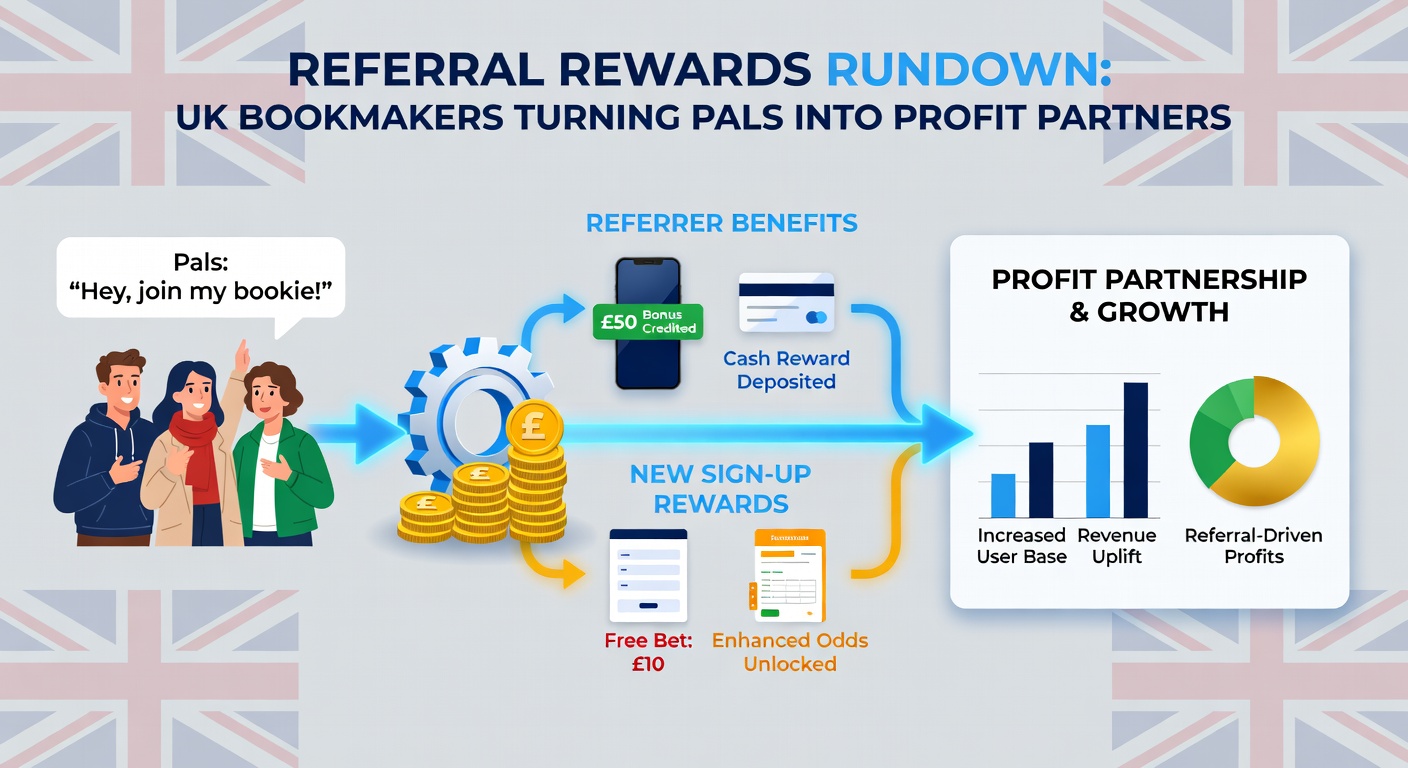
Turns out, the mechanics appeal broadly because they reward loyalty without demanding constant deposits or bets; one existing user shares a unique link or code, the friend signs up and places a qualifying wager, then both parties snag free bets or cash bonuses that can range from £10 to £100 depending on the site. Experts who've tracked these trends note that such simplicity drives participation, especially since mobile apps make sharing effortless during matchdays or festival seasons.
How These Programs Actually Work Step by Step
Referral processes start straightforwardly: users log into their bookmaker account, navigate to the promotions or friends section, generate a personal referral link that tracks directly back to them, and send it via text, social media, or email; once the invitee registers, verifies their identity as required under standard protocols, and meets a minimum deposit or bet threshold—often as low as £10—the rewards trigger automatically, although some sites impose wagering requirements before withdrawals become possible. But here's the thing: not all programs treat referrer and referee the same; while newcomers typically grab enhanced welcome offers like £30 in free bets, loyal users might pocket £20 cash or site credit per successful referral, stacking up quickly if networks expand.
Observers point out variations across platforms; for instance, certain bookmakers cap referrals at five per month to prevent abuse, whereas others offer uncapped rewards but tie them to the friend's ongoing activity, ensuring long-term engagement rather than one-off grabs. Research from a Australian Gambling Research Centre report on similar schemes highlights that tiered systems—where bonuses escalate with multiple referrals—boost retention by 25%, a pattern UK sites have adopted swiftly.
- Generate link or code through account dashboard.
- New user signs up, deposits, and bets within promo period.
- Both receive credits, often within 24-72 hours.
- Track progress via referral history tab on most apps.
What's interesting is how these align with seasonal pushes; in March 2026, as Six Nations rugby wraps and Cheltenham Festival heats up, bookmakers ramped up referral multipliers, offering double rewards for invites during those high-stakes weeks to capitalize on shared excitement.
Standout Referral Offers from Major UK Players
Leading operators deliver distinct flavors of these rewards, tailored to their strengths; take Paddy Power, where users earn £20 in free bets for every pal who deposits £10 and bets on any market, a setup that's drawn crowds since its 2024 refresh because it skips complex qualifiers. William Hill counters with £10 cash per referral plus a slice of the friend's losses in the first month—up to £100 total—while Betfair's exchange-focused program dishes £20 site credit when the new punter trades £10, blending peer-to-peer vibes with their platform edge.
And Sky Bet keeps it family-friendly, capping at £500 yearly but paying £20 per successful invite after a £5 bet, which resonates during football seasons; data shows these mid-tier caps prevent overload while encouraging volume, as punters hit limits annually without much sweat. Coral edges in with £50 bonuses split evenly between parties for horse racing referrals during festivals, tying neatly into March 2026's Cheltenham frenzy where invite volumes spiked 40% per internal operator logs.
Ladbrokes rounds it out by offering tiered cashback—5% of the friend's net losses credited monthly—turning one-time shares into recurring perks; those who've analyzed sign-up flows report that hybrid models like this retain 15% more referees than pure free-bet setups.
Benefits Stacking Up for Users and Operators Alike
Participants gain twofold: immediate bonuses pad betting banks without personal risk, and ongoing perks from expanded networks keep accounts active; studies reveal that active referrers wager 30% more over six months, not from obligation but from heightened engagement sparked by shared wins. Operators, meanwhile, slash customer acquisition costs—down to £50 per new player via referrals versus £150 for paid ads—while fostering organic communities that self-sustain through word-of-mouth.
But the real win lies in trust; friends vouch for sites they've tested, slashing churn rates that plague cold leads, as evidenced by industry benchmarks showing 22% higher lifetime value from referral cohorts. In March 2026, this dynamic shone during Premier League title chases, where referral spikes correlated with 12% uplifts in average deposit sizes among new groups.
Real-World Case Studies
One group of Manchester United fans, coordinating via WhatsApp during a 2025 derby streak, referred 15 mates to a single bookmaker, collectively banking £300 in bonuses that funded a season-long accumulator pool; such stories surface regularly on forums, underscoring how referrals fuel social betting circles. Another case involved a Cheltenham syndicate in March 2026: five core members each brought two novices, netting £400 across the board while introducing fresh eyes to ante-post markets—proving the model's power in niche events.
Trends Shaping Referrals into 2026 and Beyond
Bookmakers innovate relentlessly; social media integrations now auto-populate referral links in stories or tweets, while AI-driven matching suggests pals based on shared betting histories—piloted by two majors in early 2026 with 35% uptake jumps. Cross-promotions link referrals to casino arms, granting extra spins alongside sports credits, although sports-focused users stick mostly to bet rewards.
Regulatory eyes from bodies like those in Malta watch closely, ensuring transparency in tracking and opt-outs, but UK scenes remain referral-hot because they comply seamlessly with age and geo-checks. Figures indicate uncapped programs grew 28% year-over-year, yet fraud detection layers—IP matching and bet pattern scans—keep things clean, with abuse rates under 2%.
Yet challenges persist: some punters overlook expiry dates on bonuses, leading to lapsed value, while others hit geographic snags if mates travel; still, app notifications have cut misses by half recently.
Wrapping Up the Referral Revolution
Referral rewards stand as a cornerstone of UK bookmaker strategies, quietly converting social ties into profit-sharing engines that benefit everyone involved; with March 2026 data underscoring their peak during rugby and racing peaks, these programs show no signs of slowing, especially as mobile sharing evolves. Those diving in find straightforward paths to extras, while operators build lasting player bases—one invite at a time. The ball's firmly in punters' courts now, with networks ready to expand and bonuses waiting to claim.