20 May 2026
Greyhound Trap Advantages: Mapping UK Bookie Speed Ratings Against Recurring Bonus Chains and Live Stream Perks
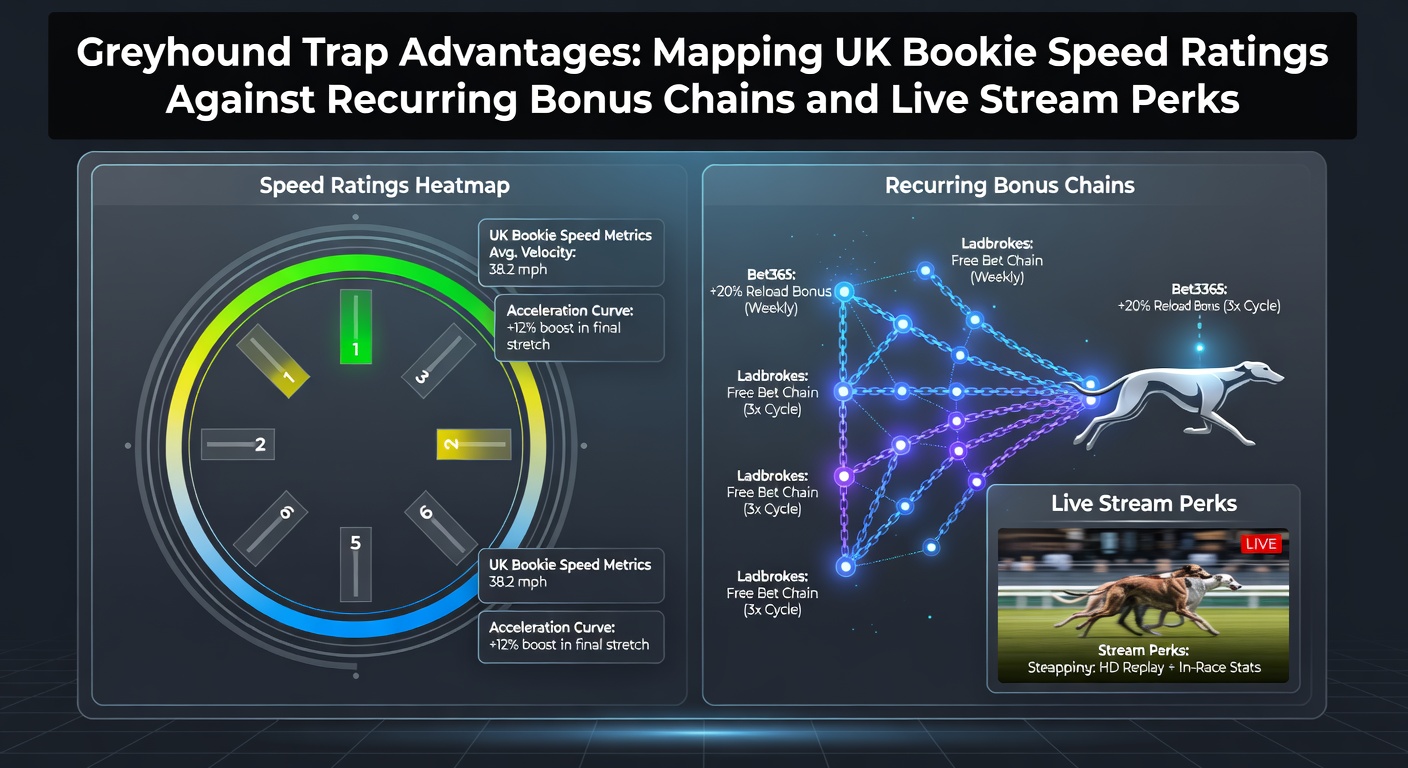 Greyhound racing in the UK features trap advantages that shift across tracks because rail positions and bend layouts create consistent patterns in early pace and finishing positions. Observers note that trap one often records the highest strike rates at venues like Hove and Nottingham since the inside rail reduces interference while allowing a clear run to the first bend. Data from recent seasons shows trap two and trap three gaining edges on wider circuits where the initial run-up distance favours a middle draw and lets greyhounds avoid early crowding. Bookmakers compile speed ratings by combining sectional times, trap draw statistics, and track variant adjustments, and these figures feed directly into the odds they publish each evening. Researchers tracking five major UK tracks between 2023 and 2025 found that ratings for trap one greyhounds average 0.12 seconds faster than the field mean at most distances, while trap six greyhounds post slower figures when racing over 500 metres because they cover extra ground on the bends. Those differences translate into starting-price adjustments that punters compare across platforms before placing wagers.
Recurring Bonus Chains Linked to Speed Ratings
Operators structure recurring bonuses around multi-race greyhound bets and deposit sequences that reward continued play on the same sport. Figures reveal that several platforms attach extra free bets to accumulators containing at least three greyhound selections when each runner carries a speed rating within a narrow band above the average for its trap. This approach encourages bettors to review the latest ratings each afternoon and build chains that extend across consecutive evenings, because the bonus amount escalates with every successful deposit within a seven-day window.
One study released by the European Gaming and Betting Association in early 2026 documented how these chains operate across operators, noting that greyhound markets account for roughly 18 percent of all recurring bonus redemptions in the UK during spring months. The data indicates that platforms adjust the qualifying speed-rating threshold weekly to reflect current track conditions, which keeps the promotion aligned with genuine performance edges rather than static rules.
Live Stream Integration and Real-Time Adjustments
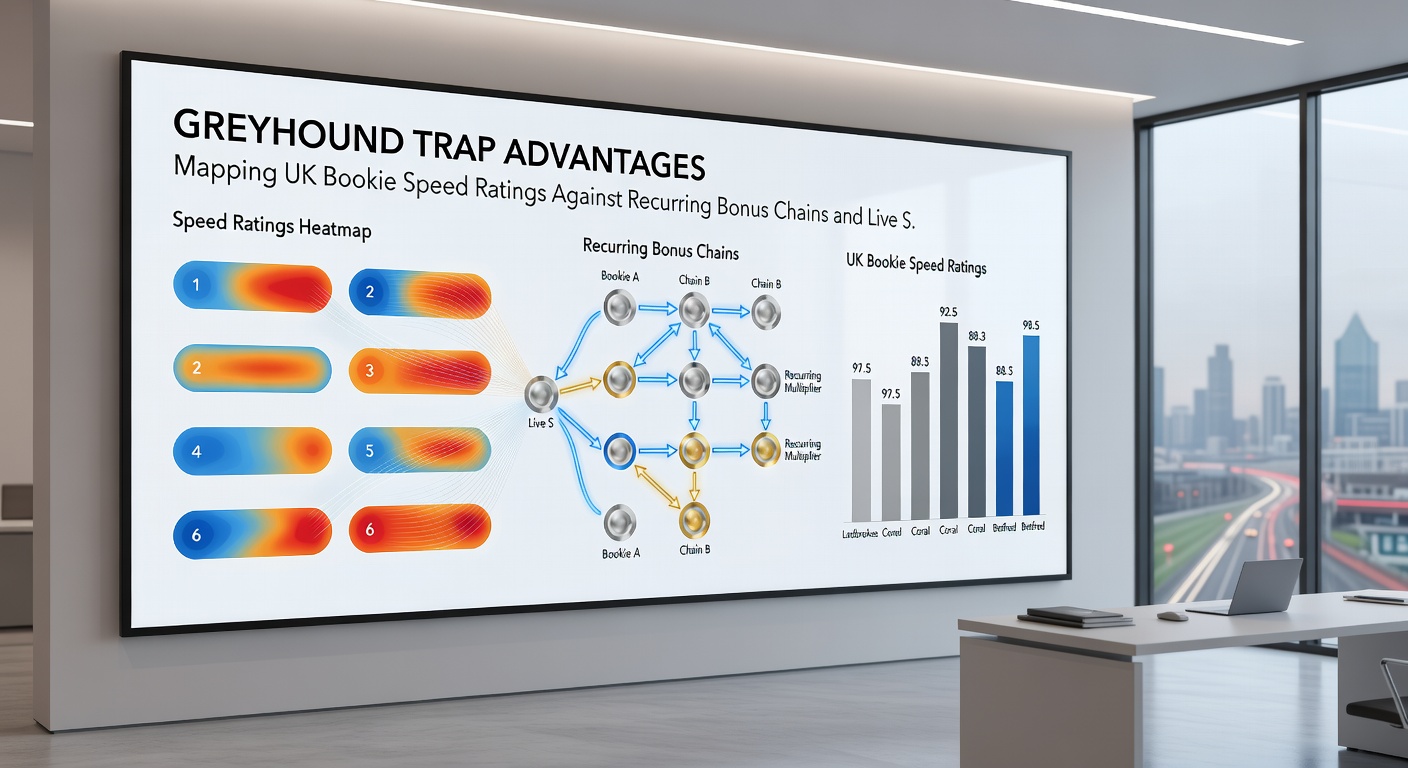
Live streams now carry on-screen speed-rating graphics that update between races, allowing viewers to see how a greyhound’s latest sectional time compares with its trap average. Platforms that stream multiple UK tracks simultaneously give subscribers the option to switch feeds during the card, and observers report that this flexibility increases the frequency of in-play bets placed on runners whose early pace matches the published rating advantage for their draw.
Industry reports compiled by the Australian Centre for Gambling Research show that live-stream users place 27 percent more greyhound bets per session than those using static odds pages alone. The same reports note that bonus chains tied to live viewing require a minimum stake on a greyhound selection within five minutes of the race start, which links the recurring deposit perk directly to the timing of the stream.
Regional Variations in Rating Accuracy
Speed-rating models differ between northern and southern tracks because bend radii and run-up lengths alter the impact of each trap. At northern venues the inside traps lose some of their historical edge on longer distances, whereas southern circuits maintain stronger rail biases through the first two bends. Bettors who map these regional differences against current bonus thresholds can identify selections that satisfy both the speed-rating filter and the deposit-chain requirements in a single wager.
During May 2026 several operators introduced temporary rating boosts for greyhounds drawn in trap four at certain Midlands tracks after data showed an uptick in clear runs from that position following recent resurfacing work. These short-term adjustments feed into the same recurring bonus structures, giving users an additional window to combine live-stream observation with deposit sequences that unlock escalating rewards.
Practical Mapping Techniques
People who track speed ratings alongside bonus rules often create simple spreadsheets that list each evening’s greyhound card, the published trap averages, and the current qualifying threshold for the next bonus tier. This method reveals overlaps where a single selection meets the speed criterion and keeps an accumulator chain alive. Platforms publish the updated thresholds in their promotions section each morning, and the live stream carries reminders when a runner’s sectional time pushes it over the line for the next reward level.
Conclusion
Greyhound trap advantages remain measurable through consistent speed-rating data, and operators continue to tie those figures to recurring bonus chains and live-stream features that reward ongoing engagement. Observers note that the mapping process becomes more precise each season as additional sectional timing points and track-variant adjustments enter the models. Those who review ratings daily and align selections with active bonus thresholds gain access to the layered perks now standard across UK greyhound markets.