19 Jul 2026
Examining How User Behavior Influences the Effectiveness of Tiered Reward Systems in Online Platforms
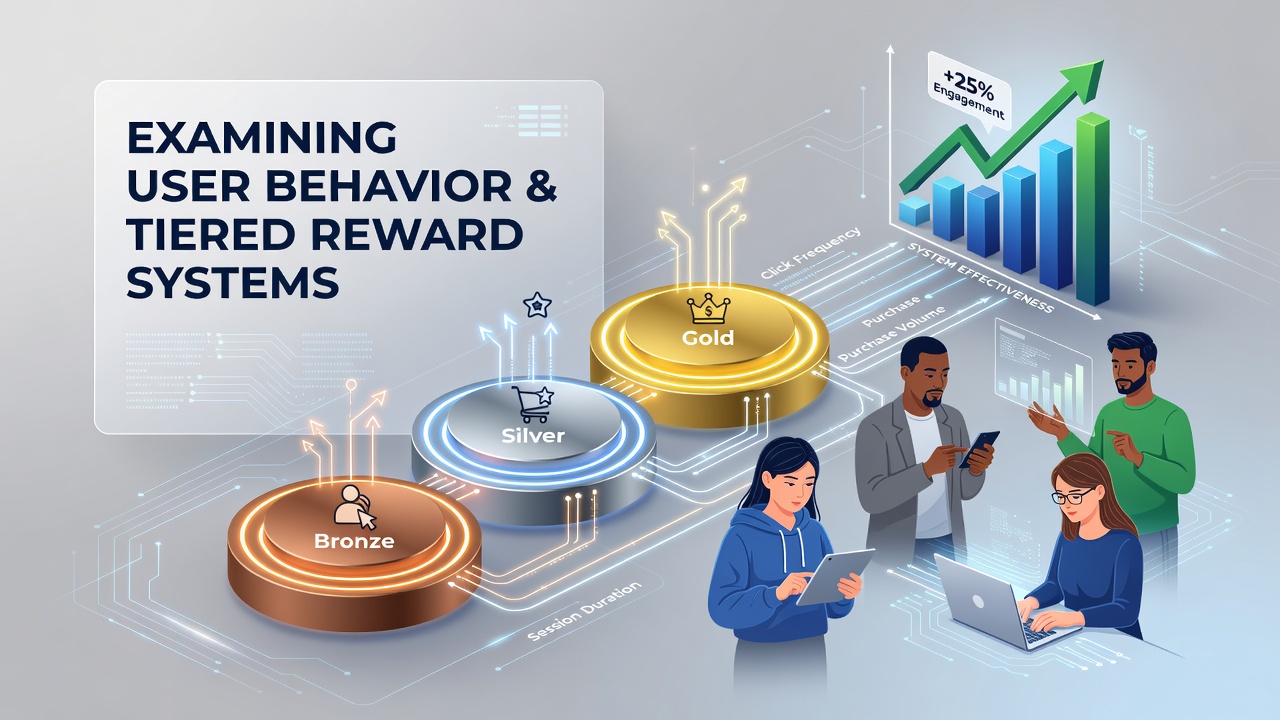
Online platforms across e-commerce, streaming services, and fitness applications have adopted tiered reward systems that structure benefits according to user activity levels, and these frameworks demonstrate clear connections between participant actions and overall program success rates. Research indicates that engagement frequency directly shapes how effectively these systems retain participants while data from multiple sectors shows redemption patterns often determine whether higher tiers deliver sustained value or simply attract short-term sign-ups.
Core Components of Tiered Reward Structures
Platforms typically divide rewards into progressive levels where basic access grants entry points, mid-tier participation unlocks additional features, and top segments provide exclusive perks such as priority support or customized content, yet the precise mechanics vary by industry. Observers note that successful implementations align tier thresholds with measurable behaviors like login consistency, purchase volume, or content interaction duration because misalignment between required actions and user capabilities frequently leads to stalled progression and program abandonment. Studies from academic institutions reveal that clear communication of advancement criteria correlates with higher completion rates across user groups.
Behavioral Patterns That Drive or Limit Program Impact
User behavior exerts substantial influence on tiered system outcomes through several interconnected mechanisms including activity consistency, reward redemption timing, and social features utilization. Those who log in regularly tend to accumulate points faster and reach elevated tiers more often while sporadic participants frequently remain in lower brackets despite occasional high-volume bursts. Data shows redemption habits matter equally since users who convert points into tangible benefits within shorter windows demonstrate stronger long-term retention compared with those who accumulate without spending. A report from the Australian Bureau of Statistics highlights how behavioral economics principles applied to loyalty programs in retail environments produced measurable shifts in repeat engagement when redemption friction decreased.
Engagement Frequency and Progression Speed
Frequency of interaction serves as a primary predictor of tier advancement because algorithms commonly weight recent activity more heavily than historical totals, and this design encourages habitual returns rather than one-off efforts. Platforms that adjust tier reset periods based on observed seasonal usage patterns often see improved continuity across user segments whereas rigid monthly cycles can disadvantage participants with fluctuating schedules. Evidence suggests that individuals who combine moderate daily actions with occasional intensive sessions achieve balanced progression without burnout.
Redemption Timing and Perceived Value
The interval between earning and using rewards affects how users perceive system fairness since immediate redemptions reinforce positive feedback loops while delayed access sometimes reduces motivation to continue earning. Research conducted at Canadian universities found that participants who redeemed within the first two weeks of eligibility maintained higher activity levels in subsequent months compared with those who waited longer. Platforms have responded by introducing time-sensitive multipliers that align with common behavioral peaks such as weekend usage spikes.

Data Insights from Mid-2026 Platform Reports
Figures released in July 2026 from various industry tracking services indicate that platforms incorporating behavioral segmentation into tier design achieved approximately twenty-three percent higher retention among mid-tier users than those using uniform thresholds. These reports further detail how referral behaviors among top-tier participants generated measurable network effects that lowered acquisition costs while increasing overall system participation. Observers note that users who shared achievements publicly advanced through tiers more rapidly in some cases because social reinforcement supplemented platform incentives.
External Factors That Interact with User Actions
Device type, notification preferences, and competing platform usage all intersect with individual behavior to shape tier effectiveness since mobile-first users often respond differently to push-based reminders than desktop participants. Platforms that personalize tier communications based on historical response rates tend to sustain momentum across diverse user cohorts whereas generic messaging produces uneven results. A European Union consumer behavior study published through the Joint Research Centre examined how privacy settings influenced reward visibility and found that users with stricter controls still progressed when platforms offered transparent opt-in mechanisms.
Seasonal variations also play roles as many platforms observe accelerated tier movement during holiday periods while summer months show different patterns depending on the service category. Those who adapt tier requirements to account for predictable dips maintain steadier participation curves compared with static models. Analysts point to examples where fitness applications adjusted step-count thresholds during vacation seasons and preserved engagement continuity.
Conclusion
Tiered reward systems on online platforms succeed or falter based on how well their structures accommodate documented user behavior patterns including engagement frequency, redemption speed, and social interaction tendencies. Data compiled through July 2026 continues to demonstrate that behavioral alignment produces higher retention and progression rates across multiple sectors while misalignment leads to underutilized tiers and participant drop-off. Platforms that monitor these dynamics and refine thresholds accordingly maintain more consistent outcomes over time.