7 Jun 2026
Dissecting Timing Strategies Behind Reload Offer Rollouts at Major UK Betting Operators
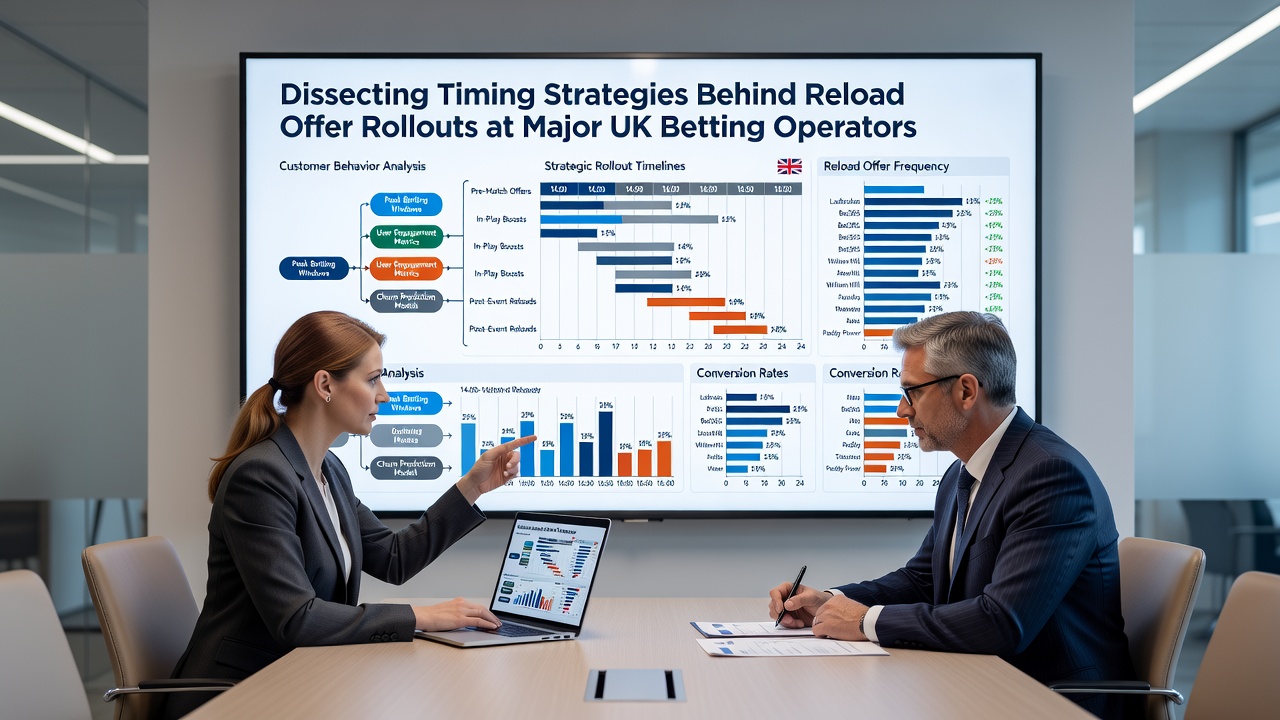 Operators in the UK betting sector coordinate reload offer schedules through detailed analysis of user activity cycles, sports calendars, and transaction data. These rollouts often align with predictable financial periods such as monthly paydays, while also responding to live event schedules that drive increased platform engagement. Data from transaction logs reveal that many platforms activate free bet credits or odds boosts within 48 hours of salary deposit patterns among their user base.
Core Elements of Reload Offer Timing
Reload promotions typically follow a sequence where operators first monitor deposit frequency, then trigger incentives during lulls in activity to maintain retention. Major platforms segment users by behavior clusters, releasing targeted offers on midweek evenings when live football or tennis matches create natural engagement spikes. Research from the Australian Institute of Family Studies indicates that promotional timing correlates strongly with regional payroll schedules and major tournament starts across multiple jurisdictions.
Patterns show that reloads tied to accumulator bets appear more frequently ahead of weekend fixtures, whereas casino-linked reloads often activate mid-month to balance sportsbook traffic. Observers note that platforms adjust these windows based on historical conversion rates, with some operators shifting releases by 24 to 72 hours depending on concurrent events like cricket T20 leagues or golf majors.
Data-Driven Decision Frameworks
Analytics teams track metrics including average session duration, deposit velocity, and churn signals before finalizing rollout dates. When user logs indicate declining activity after a major event concludes, platforms introduce reload sequences to recapture attention. This approach relies on machine learning models that process anonymized datasets, allowing operators to predict optimal moments without over-saturating any single user segment.
Studies conducted by Canadian research groups highlight similar timing logic in regulated markets, where reloads coincide with post-event analysis periods rather than during peak live betting windows. Those models prioritize Thursday through Saturday releases for sports-focused users, while casino reloads follow different cycles aligned with slot tournament schedules.

Seasonal and Event-Based Adjustments
June 2026 presents a clear illustration of these strategies in action. With the European football calendar entering its final phase and Wimbledon approaching, operators have scheduled layered reloads that combine free bets with enhanced odds. These releases typically begin 72 hours before key fixtures, giving users time to explore options while maintaining platform liquidity across both sports and casino verticals.
Additional timing layers appear around bank holidays and international breaks, where operators extend reload validity periods to account for reduced live event volume. Platforms also monitor cross-border user traffic, adjusting offer start times to match time zones where significant portions of their audience reside.
Integration with Broader Loyalty Systems
Reload offers rarely operate in isolation. Instead, they connect to existing loyalty tiers that track cumulative deposits or betting volume. When users reach specific thresholds, automated systems trigger personalized reloads that may include casino credits or acca boosts. This integration allows operators to maintain consistent engagement without requiring manual intervention for each promotion cycle.
Evidence from industry reports compiled by European trade associations demonstrates that such connected systems improve retention metrics by aligning incentives with individual user journeys rather than blanket calendar dates. Operators refine these connections quarterly, incorporating feedback from conversion analytics to fine-tune future rollout windows.
Conclusion
Timing strategies for reload offers at major UK betting operators reflect a combination of behavioral data, sports schedules, and loyalty program structures. Platforms continue to refine these approaches through ongoing analysis of user patterns and event calendars, creating predictable yet responsive promotion cycles that support sustained platform activity. As new data sources emerge, operators adapt their deployment frameworks to maintain alignment with shifting user behaviors and competitive pressures.