10 Jun 2026
Decoding In-Play Line Shifts and Their Ties to Virtual Event Incentives at British Platforms
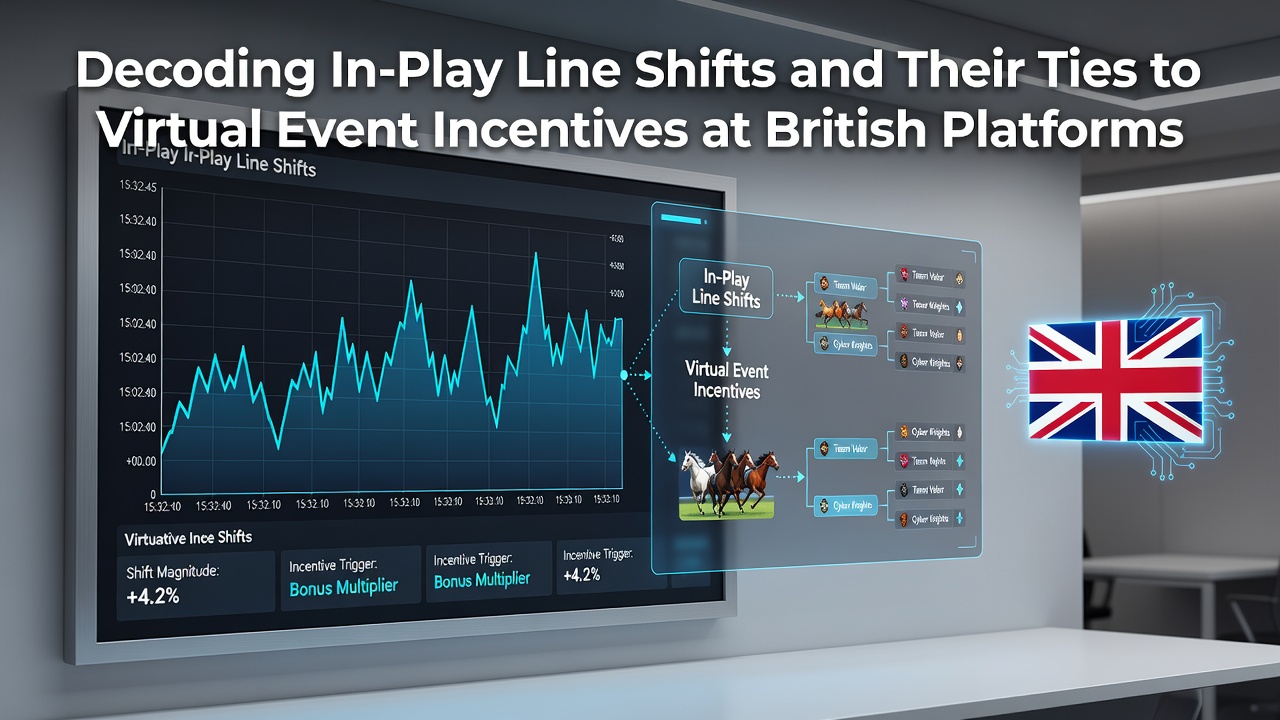
Line shifts during live events represent measurable adjustments in betting odds that occur as matches progress and new information emerges, and British platforms have integrated these movements with virtual event incentives to create layered engagement options for users. Observers note that in-play betting markets respond rapidly to factors like goal scorers, player substitutions, and weather conditions, which in turn influence how operators structure promotions around simulated contests such as virtual football leagues and horse racing simulations.
Mechanics of In-Play Line Adjustments
Operators track real-time data feeds that trigger automatic recalibrations in odds, and these recalibrations create windows where virtual event incentives activate to maintain user activity when primary markets fluctuate. Research from the University of Nevada's International Gaming Institute shows that line movements average between 5 and 15 percent in major football fixtures, with sharper adjustments occurring after red cards or injury stoppages. British platforms apply algorithmic models that correlate these shifts with virtual product offerings, allowing users to transition seamlessly from live markets to simulated events without leaving the interface.
Stake sizes often increase during periods of high volatility because bettors seek to capitalise on perceived value, while platforms counterbalance this activity by offering matched bonuses on virtual equivalents. Data indicates that such pairings help stabilise session lengths, particularly when real events reach half-time lulls that coincide with scheduled virtual race starts.
Virtual Event Structures on UK Sites
Virtual sports operate on fixed-interval cycles that run independently of live schedules, and operators align incentive triggers to these cycles when in-play lines move beyond predefined thresholds. For instance, a sudden shift in tennis set odds above a certain margin may prompt the release of free spins or stake multipliers on virtual tennis modules. According to figures released by the European Gaming and Betting Association, virtual betting volumes on British platforms grew 18 percent year-over-year through the first half of 2026, driven partly by these cross-product linkages.
June 2026 saw several operators introduce time-bound virtual incentive packages that activate specifically during extended in-play sessions, such as multi-leg accumulator boosts tied to virtual greyhound races. These packages operate through automated systems that monitor live market depth and release rewards once predetermined shift parameters are met, thereby extending user participation across both real and simulated formats.
Integration Patterns Between Live Shifts and Virtual Rewards
Platforms employ unified account wallets that allow winnings from in-play positions to fund virtual bets without additional deposits, and this integration supports continuous play during market transitions. Observers note that incentive tiers scale according to the magnitude of line movement, with larger shifts unlocking higher-value virtual rewards such as enhanced odds on simulated events or cashback on virtual losses. One documented approach involves conditional reloads that trigger after a user places an in-play wager exceeding a set amount during a significant odds swing, directing a portion of the stake toward virtual football or basketball simulations.

These mechanisms rely on backend risk engines that assess both real-time liability and historical user behaviour, ensuring that virtual incentives remain proportional to the volatility observed in live markets. Studies from academic gaming research centres have identified that such proportional linking reduces abrupt session terminations when live events conclude, because users retain active virtual positions that carry over into subsequent cycles.
Regulatory and Operational Context in 2026
British operators maintain compliance frameworks that require clear separation between live and virtual product rules, yet they permit promotional bridges that connect the two categories under single marketing campaigns. In June 2026, updates to platform software allowed for more granular tracking of line-shift events, enabling operators to timestamp incentive releases with greater precision and to report aggregated data to oversight bodies. This timestamping supports audit trails that demonstrate how virtual rewards correspond directly to documented in-play movements rather than operating as standalone promotions.
Operators also publish user guides that explain the correlation process, detailing how specific line thresholds activate virtual bonuses and what verification steps users must complete. These guides reference historical examples from major tournaments where line shifts exceeded 12 percent, resulting in coordinated virtual incentive rollouts that maintained platform engagement metrics at consistent levels throughout the events.
Conclusion
Line shifts in live betting markets continue to serve as primary signals that British platforms use to calibrate virtual event incentives, creating interconnected systems that respond to real-time data while sustaining activity across simulated formats. The operational linkages documented through 2026 demonstrate measurable coordination between the two product types, supported by algorithmic monitoring and regulatory-compliant reporting structures that keep the overall framework transparent and auditable.