26 Jun 2026
Charting Mobile App Notification Patterns and Their Influence on UK Platform Incentive Uptake Rates
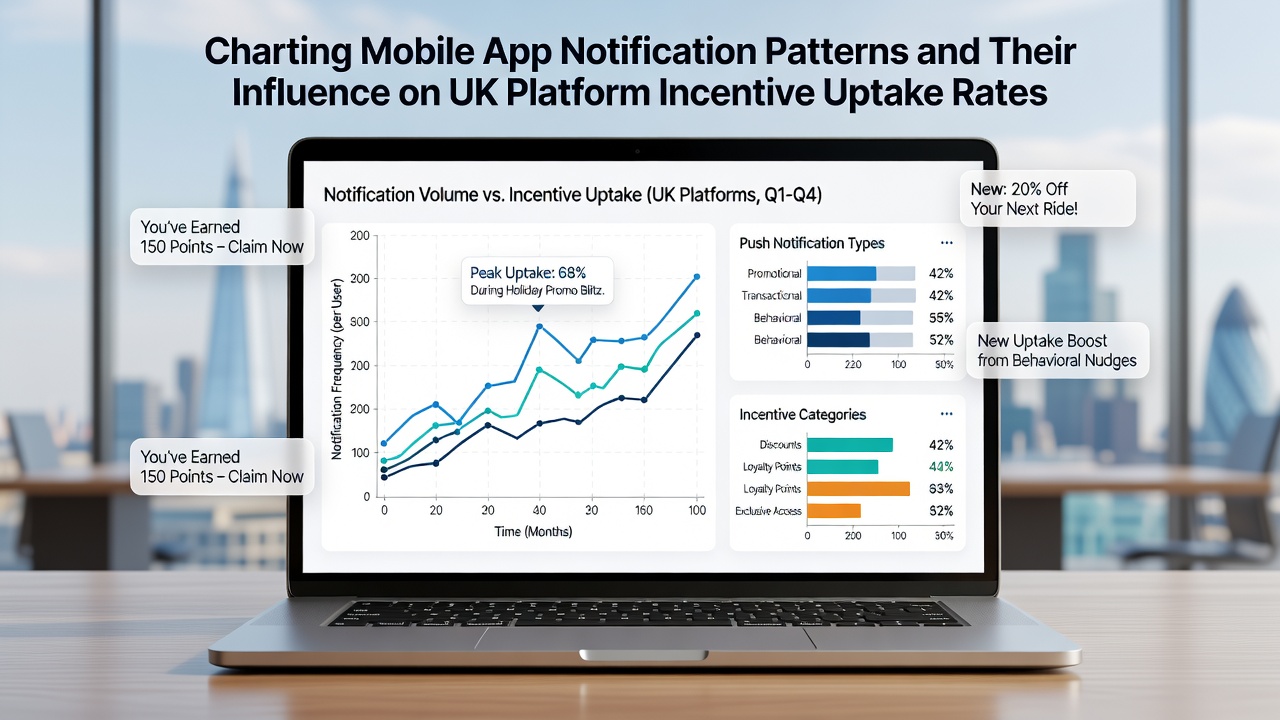
Platform operators across the United Kingdom have tracked mobile app notification patterns for several years now and researchers continue to examine how timing, frequency, and content affect user engagement with incentive programs. Data from industry reports indicate that push notifications sent during evening hours between 7 pm and 10 pm generate higher click-through rates compared to those dispatched during standard working hours, while messages that reference specific incentive types such as reload bonuses or accumulator enhancements show measurable differences in conversion metrics. Observers note that these patterns emerge consistently across multiple platforms and the variations appear tied to user routines rather than random factors.
Notification Timing and Frequency Trends
Studies conducted by academic institutions have mapped notification delivery schedules against incentive redemption logs and the findings reveal distinct clusters where uptake spikes occur shortly after certain message types arrive. For instance platforms that space promotional alerts at intervals of no less than four hours between deliveries record steadier response curves than those issuing bursts of three or more messages within a single hour. Experts have observed that users who receive notifications aligned with major sporting events demonstrate elevated interaction levels with related incentive structures and this correlation holds across data sets collected through 2025 into June 2026 when several major tournaments coincided with peak mobile usage periods. The reality is that frequency alone does not determine outcomes because content relevance plays an equally significant role in whether recipients proceed to claim available offers.
Content Elements That Drive Responses
Analyses of message phrasing indicate that notifications incorporating personalized elements such as references to past betting activity or remaining time on limited incentives produce stronger follow-through than generic announcements. Industry organizations tracking digital engagement across Europe have compiled comparative data showing that concise subject lines under 40 characters paired with direct calls to action correlate with improved open rates while longer descriptive text tends to reduce immediate interaction. Those who've examined user behavior logs report that incorporating visual cues like countdown timers or simple icons further influences the decision pathway toward incentive activation and these elements appear particularly effective when the notification arrives within 30 minutes of a user opening the app for unrelated activity.
What's interesting emerges when platforms segment their audiences by device type or location because urban users in major cities exhibit different response windows compared to those in regional areas. Government agencies in Australia and Canada have published parallel findings on mobile notification efficacy in regulated sectors and these reports align with UK platform observations that targeted timing based on historical engagement data yields incremental gains in uptake without requiring increased message volume. Researchers discovered through controlled A/B testing that altering only the send time while keeping content identical can shift redemption rates by double-digit percentages in some cohorts and such results underscore the importance of pattern recognition in notification strategies.
Regional and Platform Variations in Uptake
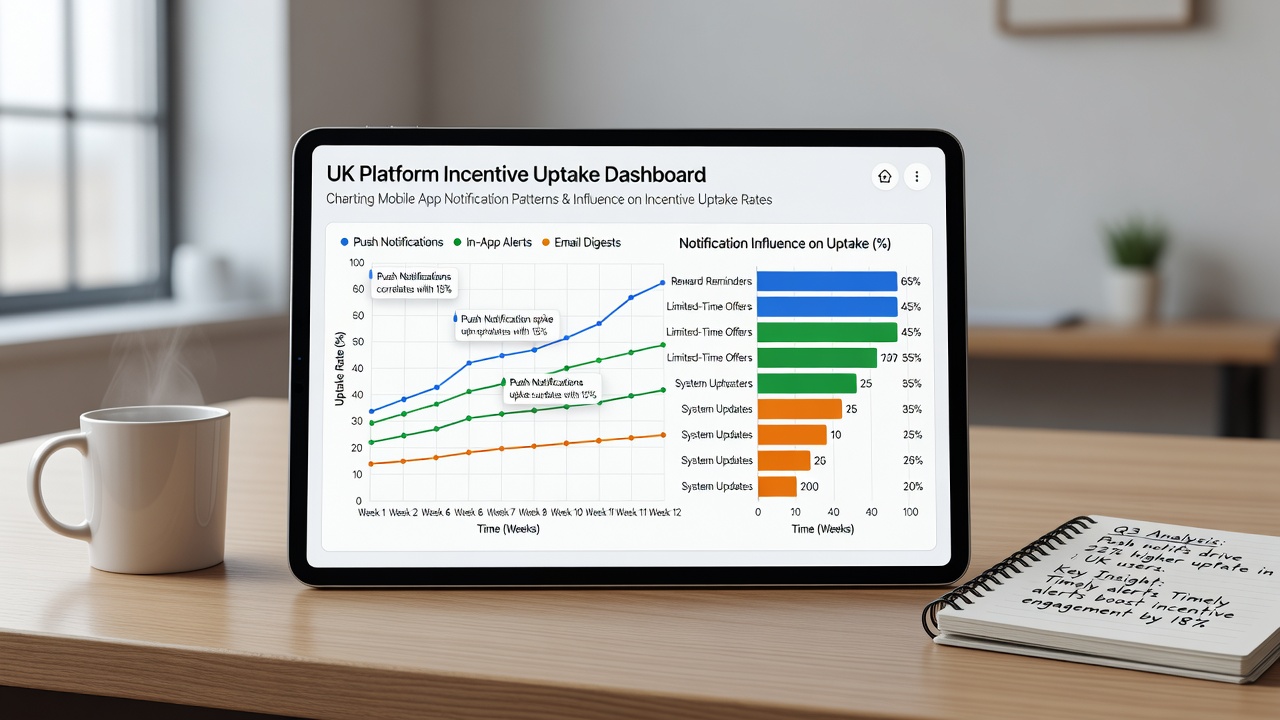
Comparative reviews across different UK platforms highlight that operators maintaining consistent notification cadences tied to loyalty tiers achieve more predictable incentive uptake curves than those relying on ad-hoc campaigns. Academic papers examining digital marketing in the gaming sector point to similar dynamics in other jurisdictions where regulatory frameworks emphasize responsible messaging and these studies suggest that transparency about incentive terms within the notification itself contributes to sustained user trust and repeated engagement. Data shows platforms that integrate notification systems with user preference settings record lower opt-out rates and this integration allows for finer adjustments that reflect individual response histories rather than broad demographic assumptions.
Turns out the interplay between notification patterns and incentive uptake extends beyond immediate clicks because follow-up metrics such as deposit frequency and session duration often increase when initial messages prompt timely actions. Industry associations in the United States and New Zealand have documented parallel trends in their respective markets and the cross-regional consistency points to fundamental user behavior principles that transcend local market differences. Experts have observed that June 2026 data sets continue to validate earlier models while revealing new nuances around multi-device usage where notifications delivered to secondary devices sometimes serve as effective reminders that complete conversion journeys started on primary phones.
Measurement Approaches and Data Sources
Platforms employ a range of analytical tools to chart these patterns including cohort analysis, time-series modeling, and attribution frameworks that connect specific notifications to subsequent incentive claims. University-led research projects have validated several of these methodologies through independent replication and the resulting publications provide benchmarks against which individual operators can measure their own performance. Those monitoring long-term trends note that seasonal variations such as holiday periods or major fixture schedules introduce additional variables that require recalibration of notification strategies and failure to account for these shifts can flatten otherwise positive response curves.
Evidence suggests that combining notification data with broader platform analytics produces more robust insights than isolated examination of either element alone. Regulatory bodies outside the UK such as those in the European Union have issued guidelines on digital communications that encourage data-driven approaches while maintaining user protections and platforms incorporating these principles report stable or improved uptake metrics alongside compliance adherence. The ball remains in the operators' court to refine their notification frameworks based on ongoing pattern analysis because static strategies quickly lose effectiveness as user behaviors evolve.
Conclusion
Comprehensive charting of mobile app notification patterns demonstrates clear linkages to incentive uptake rates on UK platforms with timing, frequency, and content each contributing measurable effects. Continued monitoring through June 2026 and beyond will likely reveal further refinements as data collection methods advance and cross-platform comparisons expand. Observers note that platforms applying these insights systematically position themselves to maintain engagement levels while adapting to changing user expectations and technological capabilities.