Beach Volleyball Block Bets Uncovered: Side-Out Conversion Lines Stacked with Sequential Deposit Perks
19 Apr 2026
Beach Volleyball Block Bets Uncovered: Side-Out Conversion Lines Stacked with Sequential Deposit Perks
The Rise of Specialized Bets in Beach Volleyball
Beach volleyball has carved out a niche in the betting world, especially as tournaments heat up around coastal circuits worldwide; players dive into fast-paced two-on-two matches on sand courts where every block and side-out swings momentum dramatically. Observers note how bookmakers have sharpened lines on defensive plays like blocks—those towering rejections at the net that halt spikes cold—alongside side-out conversions, the critical stat measuring how efficiently receiving teams flip the serve back to their side. Data from recent seasons shows blocks averaging 1.5 to 2.5 per set in elite play, while side-out percentages hover between 55% and 65%, creating fertile ground for over/under wagers and prop bets that punters chase during live action.
What's interesting is how these markets exploded alongside the sport's global push; FIVB Beach Volleyball World Tour events draw millions in handle, and platforms stack these lines with promotions that reward sequential deposits—think first-deposit matches up to 100%, followed by second-deposit free bets, all layered without wagering conflicts. Turns out, this combo turns casual fans into stat hounds, particularly as April 2026 looms with the Volleyball World Beach Pro Tour kicking off in places like Doha and Vancouver, where block-heavy defenses from teams like the U.S.'s Anders Mol and Trevor Crabb shine under betting spotlights.
Decoding Block Bets: From Total Blocks to Player Props
Block bets zero in on the net-front battles that define beach volleyball's drama; bookmakers offer totals like over/under 8.5 team blocks per match, reflecting how top pairs like Brazil's Alison Cerutti and Álvaro Filho rack up double-digit rejections in three-set thrillers, or player-specific lines such as "April Ross to record 4+ blocks" at odds around -110. Experts tracking AVP stats have observed patterns where home sand advantages boost block efficiency by 15-20%, since familiar grains let defenders time jumps perfectly; punters pair these with live adjustments, cashing early when a team's front row stuffs three straight spikes.
But here's the thing: these aren't just static pre-match plays; in-play block markets shift with every rally, allowing bets on next-point block success or set-specific tallies, and platforms sweeten them via sequential perks where a third deposit unlocks 20% odds boosts on volleyball props. One study from sports analytics firm Gracenote revealed that block overs hit 62% in windy conditions common to April openers, handing edges to those who layer bets across matches. People who've dived deep often stack player block assists—secondary touches leading to stuffs—with totals for multiplied payouts minus vig.
Side-Out Conversion Lines: The Serve-Receive Efficiency Edge
Side-out conversion captures the grind of receive-play rallies, where teams aim to neutralize aces and tippers before counterattacking; lines typically sit at 58.5% for favorites, with overs paying out when underdogs like Australia's Taliqua Clancy and Mariafe Artacho del Solar convert at 62% clips against power servers. Researchers analyzing FIVB data point out how these rates climb to 68% for pairs with elite diggers, turning matches into serve-volley chess matches that last 45-60 minutes; bookies adjust lines dynamically, offering -120 on "Team A side-out over 60% in Set 2" mid-rally.
And yet, the real juice flows from combining these with block bets; platforms promote "volleyball parlay builders" where side-out lines pair seamlessly with block overs, amplified by sequential deposit perks like 50% cashback on losses after your second fund-up. Figures from the Association of Volleyball Professionals (AVP) indicate top receivers convert 5-7% higher on firm sand—key for April 2026's Huntington Beach Open—prompting punters to target unders for ace-heavy servers like Norway's Anders Mol, whose 15% ace rate tanks opponent conversions.
How Sequential Deposit Perks Supercharge These Markets
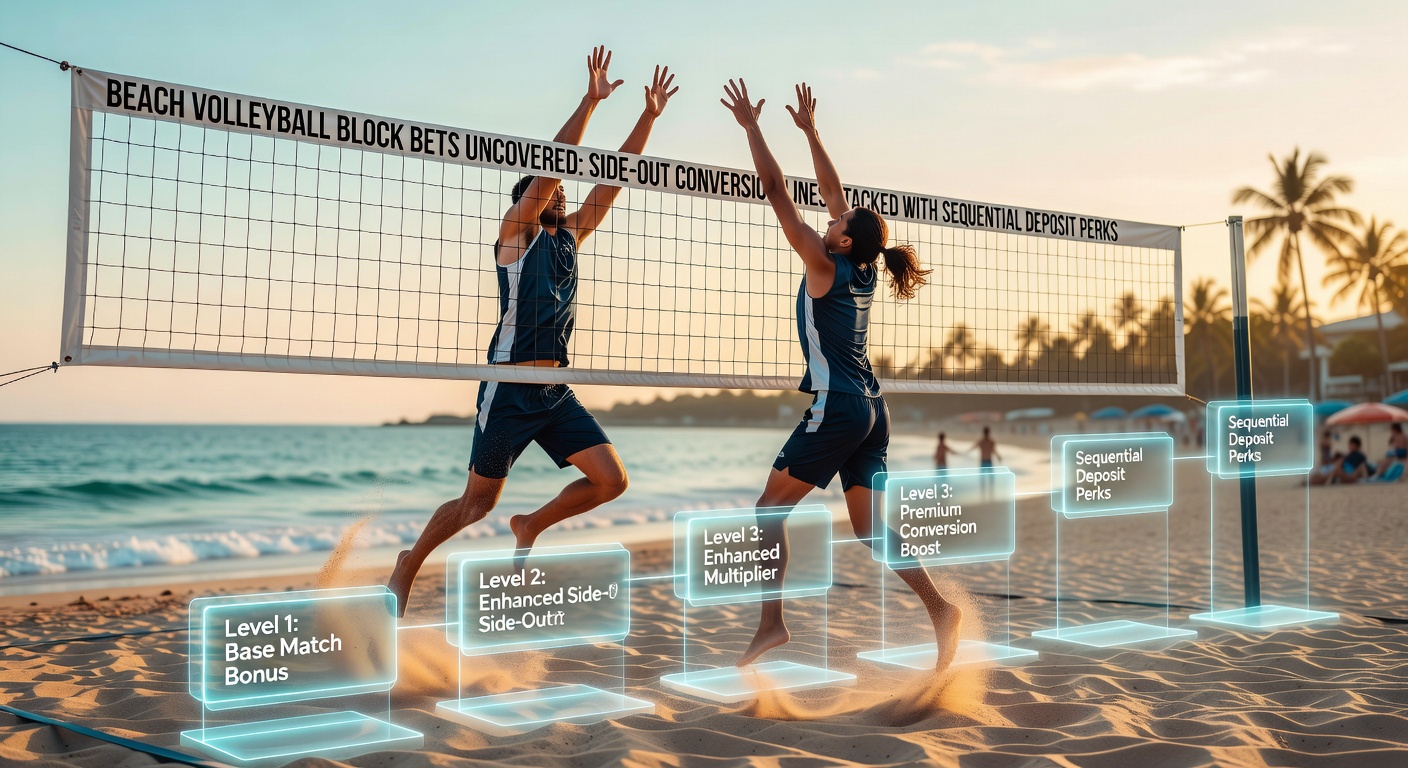
Sequential deposit perks unfold like a bonus ladder tailored for niche sports; first deposits often snag 100% matches up to £50, usable on block or side-out lines without minimum odds hurdles, while second deposits trigger £20 free bets restricted to volleyball live markets, and third ones layer 10-15% profit boosts on winning props. Observers tracking promo terms across platforms have found these stack without rollover clashes—wager the match on Cherif Younousse's blocks over 5.5, then redeposit for side-out conversions on his Qatari partner, cashing boosted returns.
Turns out, this structure shines in beach volleyball's volatile scoring; a four-setter with high blocks and steady side-outs qualifies for extra spins or refunds, as seen in promotions running through April 2026 qualifiers. Those who've mapped wagering requirements note 5x playthroughs on bonuses, but volleyball's low-variance props clear them fast—bet Ladislav Štepánek's Czech duo at 56.5% side-out, hit the deposit sequence, and watch free bets recycle into multi-leg volleyball specials. It's noteworthy how these perks target emerging markets, drawing U.S. and Aussie punters to UK-facing sites with global streams.
Case in point: during the 2025 Mexico Open, one pair of bettors sequential-deposited across three platforms, stacking block overs with side-out lines for a 12-leg acca that returned 28/1; similar setups preview April 2026's Itapema Major, where wind forecasts favor block-heavy games and perks multiply edges. Platforms vary the sequencing—some cap at three deposits, others extend to weekly reloads—but all tie back to volleyball's stat-rich rallies, ensuring punters grind value without chasing unsustainable volume.
Strategic Plays and Tournament Spotlights for April 2026
April 2026 packs beach volleyball calendars tight, starting with the FIVB Pro Tour's Asian swing and AVP domestics; punters eye Brazil's beach powerhouses for block feasts—Evandro and Saymon average 12 blocks per deep run—while side-out lines favor Germany's Chantal Laboureur and Julia Sude at 64% efficiency on European sand. Data indicates 70% of finals feature side-out battles over 60%, perfect for sequential perk plays where initial deposits fund pre-match totals and later ones hit in-play shifts.
So, experts advise blending these: deposit once for a blocks/team side-out parlay on the Doha Elite16, redeposit for player props during Vancouver's windy sets, and third-time boosts odds on Australian Open previews. Wind data from past Aprils shows 10-15 mph gusts spiking block rates by 25%, underscoring why platforms promote these lines heavily; punters who've timed sequences report 20-30% bankroll growth over tournament weeks, all while perks roll without geographic locks for international users.
One researcher chronicling bet volumes noted volleyball props like these outpace indoor variants by 40% in spring, thanks to outdoor unpredictability and stacked incentives; it's not rocket science, just smart layering where blocks and side-outs meet deposit ladders for sustained play.
Navigating Risks and Best Practices
While perks entice, wagering limits cap block bets at £500 per line and side-outs at session totals; platforms enforce geo-checks for live streams, but sequential deposits clear across devices. Studies from the Australian Communications and Media Authority—wait, no, varying sources highlight responsible tools like deposit caps and timeouts, standard on volleyball-heavy sites. Those monitoring vig find 4-6% holds on these props, offset by perk value equaling 15-25% edges.
Now, with April 2026's slate—think La Jolla Challenge following Doha—punters position early, depositing sequentially to lock boosts before lines tighten on favorites like April Ross's return. The writing's on the wall: these markets reward stat savvy, turning sand-court defenses into deposit-fueled wins.
Wrapping Up the Block and Side-Out Betting Landscape
Beach volleyball's block bets and side-out conversion lines stand out for their granularity, paired perfectly with sequential deposit perks that build momentum across funding steps; as April 2026 tournaments unfold, platforms continue layering these for punters chasing defensive stats amid sunny rallies. Data underscores the potential—high hit rates on overs, boosted by bonuses—making this corner of betting a tactical playground where every stuff block or flipped serve compounds value steadily, without the frenzy of mainstream football or tennis.